
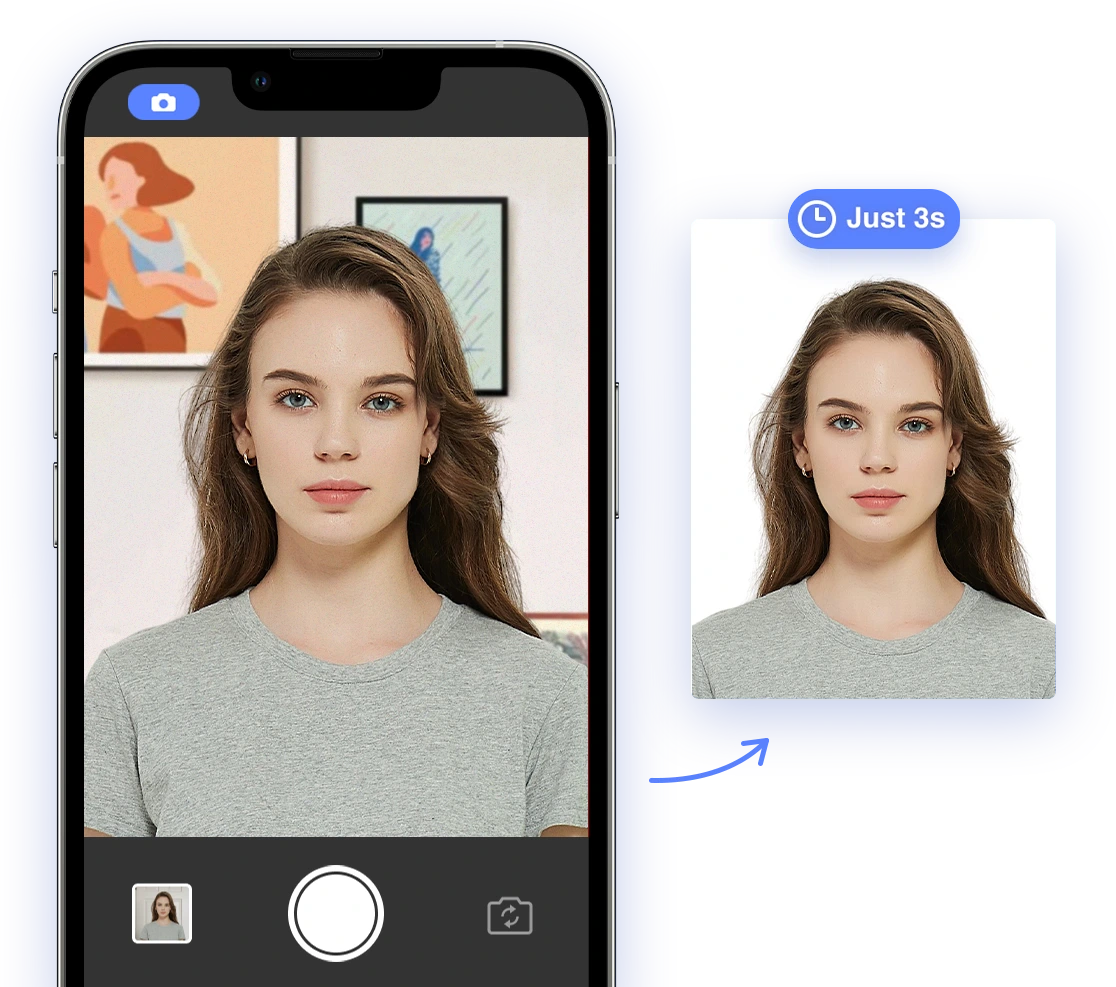
Applying for a passport in 2026? Get ready for the scrutiny of AI-powered systems that analyze every detail of your photo! While you want to look your best, too much 'glam' can lead to rejection. This article separates makeup fact from fiction, providing actionable advice to help you achieve a flattering look while ensuring your passport photo passes the AI test.
The Official Guidelines: Makeup, Hairstyles, and Accessories
The US Department of State doesn't explicitly ban makeup. However, your passport photo must accurately reflect your everyday appearance. This means:
- Accuracy is Key: The photo should be a clear image of you, easily identifiable.
- Subtle Enhancements: Makeup is acceptable if it enhances, not transforms, your features.
- No Disguises: Avoid anything that obscures or distorts your face. Think natural, not theatrical.
The Passport Makeup Trend: Enhancing, Not Masking
The "passport makeup trend" is all about looking like your best self – while still looking like yourself. The goal is a subtle, natural enhancement, not a complete makeover. Check out this tutorial for inspiration: Passport Photo Makeup Tutorial ✨ Flawless in Every ID Pic!
Popular techniques include:
- Evening out skin tone with light foundation
- Subtly defining eyes with neutral shadows and eyeliner
- Adding a touch of blush for warmth
- Using a natural lip color to enhance your pout
DIY Makeup Tips: The Art of Subtle Enhancement
Here’s how to master the ‘no-makeup makeup’ look for your passport photo:
- Foundation & Concealer:
- Choose a satin or soft-matte foundation that matches your skin tone perfectly. Avoid anything too dewy or reflective.
- Use concealer to address redness, blemishes, or dark circles. Blend well!
- Eyes:
- Stick to neutral eyeshadows – taupes, browns, and soft grays are your friends. See how to get the look: How to do your makeup for a passport photo you won't hate for 10 years | ALI ANDREEA
- A thin line of eyeliner close to your lash line can add definition. Brown or charcoal is often more forgiving than harsh black.
- Groom your eyebrows! Brush them, fill in any sparse areas, and set with a clear brow gel.
- Cheeks:
- A touch of blush can add warmth and dimension. Opt for a neutral shade that complements your skin tone. Apply blush higher on the cheeks, blending it into the eyeshadow for a monochromatic effect.
- Lips:
- Choose a lip color that is close to your natural lip shade. Avoid anything too bright, dark, or glossy.
Common Mistakes to Avoid: The Rejection Zone
Certain makeup and styling choices are likely to trigger a rejection. Steer clear of:
- Heavy Contouring: Harsh contouring can distort your face shape and make you look unrecognizable.
- Dramatic Eyeshadow: Bold colors, glitter, or heavy shimmer can create unwanted reflections and shadows. Be careful about what not to do: what NOT to do for your passport photo
- Fake Eyelashes: These can obscure your eyes and alter your facial features. Avoid lash extensions that are too long or thick.
- Overly Dark or Bright Lipstick: Stick to natural-looking shades.
- AI Alterations: The U.S. State Department rejects any photo that has been "changed using computer software, phone apps, filters, or artificial intelligence".
AI-Powered Solutions: Your Compliance Checklist
Worried about whether your makeup is AI-approved? Here's how AI tools can help:
- Real-Time Feedback: Some AI passport photo tools offer real-time feedback on compliance, analyzing your photo for issues with lighting, shadows, and facial features.
- Automated Adjustments: AI can automatically crop, resize, and even remove backgrounds to ensure your photo meets technical requirements.
- Dual Verification: Services that combine AI analysis with human review offer an extra layer of assurance.
Consider using AI Passport Photo to check your photo before submitting it. We use cutting-edge technology to increase your chances of acceptance. If you're interested in what makes a photo get rejected, read Top Reasons Your ID Photo Could Be Rejected.
Troubleshooting Tips: Taming Shadows and Shine
Even with the best makeup, you might encounter some common issues:
- Shadows: Ensure even lighting to eliminate shadows on your face. Experiment with different light sources and angles. A ring light may be helpful; see the U.S. Department of State guidelines on passport photos for details.
- Glare: Avoid using products with shimmer or SPF, which can cause glare. Use a setting powder to control shine.
- Uneven Skin Tone: If you struggle with redness or discoloration, use a color-correcting primer or concealer.
Ethical Considerations: Authenticity vs. Enhancement
Is it ethical to alter your appearance in a passport photo? This is a matter of personal opinion. While you want to look your best, it's crucial to:
- Be Recognizable: Ensure the photo is still a true representation of your face. Don't drastically change your features.
- Avoid Deception: The goal isn't to mislead, but to present yourself in a positive and accurate light.
Ultimately, the decision is yours. However, remember that the primary purpose of a passport photo is identification.
By following these guidelines, you can confidently navigate the world of passport photo makeup, ensuring you look great while meeting all official requirements. For more on getting the best results, check out our guide: How to Get the Best Passport Photos?. Happy travels!
<!--Internal links-->
If you are unsure on the acceptable forms of makeup, see Looking Your Best for Your U.S. Passport Photo What to Wear
If you are not sure how to take the photo at home, read How to Take Passport Photo at Your Home: Do It Yourself
If you still have concerns, please see Questions and Answers about U.S. Passport Photos